GoMore
2,847Total Customers
+36Entered today
91.2%Email verification pass rate
Email Marketing · 30-Day Send / Reply Trends
CRM Opportunity Status
GoMore's self-developed enterprise intelligent management platform (14 modules) plus end-to-end managed services connects the content, traffic, conversion, and sales engines into one data set, with B2B global expansion as the primary path and DTC retail as an optional extension.
Adding more tools only amplifies the strengths or gaps of your existing process. Diagnose the breakpoints first, then decide on new channels—that's the first step in GoMore's growth operations.
Leads are concentrated in one ad account or platform. When CPCs rise or policies shift, there's no search content or first-party list as a buffer.
Website articles, sales decks, and social posts are produced separately; the same topic is written repeatedly without being distilled into reusable master-topic assets.
The page only lists specifications and doesn't answer questions about risk, delivery, or certification. Visitors can only submit a generic 'Contact Us' form.
Form fills, WhatsApp messages, trade show business cards, and InMail replies lack a unified identity, leaving attribution and nurturing without a reliable foundation.
Marketing delivers on form count, sales picks leads by gut feel. Without MQL/SQL definitions, the two sides can only talk in numbers.
DTC teams only see visits and orders. Add-to-cart, payment failures, and abandoned carts go unrecorded, so leaks can't be pinpointed.
Marketplace e-commerce, standalone sites, and ads use different product IDs and attribution standards, so orders are double-counted or cannibalize one another.
If the team only sees click costs and on-platform conversions, they'll reward the channel that "produces the cheapest leads" rather than the combination path that actually drives revenue.
The full-funnel growth system lets content reach target audiences on the right channels, lets your website capture interest, and then converts through automated nurturing or human sales—with results flowing back into the same data structure. The four engines each play their role, sharing one set of customer and conversion definitions.
Build topic clusters around purchasing questions, use cases, product differences, and implementation risks. Content is not about filling a publishing calendar—it's about preparing evidence for every stage of the customer's decision.
SEO captures existing search demand, Google Ads quickly validates keywords and pages, and LinkedIn reaches specific roles; after crawlers capture leads, three types of proactive outreach—AI email marketing, WhatsApp private domain, and AI outbound calls—cover people who haven't searched yet.
The standalone site provides clear information architecture. For B2B, 20 landing pages (split by customer persona and search intent), forms, and WhatsApp reduce inquiry costs; for DTC, product pages, cart, and checkout reduce purchase friction. Behavior tracking records every step so the team knows what needs fixing.
The system automatically crawls target customers, verifies emails, and generates drafts for human review before sending. After six rounds of AI emails, it automatically transitions to a newsletter to maintain long-term customer engagement. Current effective reply rate: 0.4% (customers expressing business interest). As soon as a customer replies, the automated flow stops and switches to one-on-one CRM follow-up.
The six phases form a continuous implementation path: each phase feeds the next, and sales or purchase outcomes loop back to Phase 1 to refine assumptions. The 18-step backbone is built around B2B acquisition, with optional DTC adaptations at each phase.
90–180 day reference cadence for implementation planning, not a commitment to results · View full roadmap →
platform.gomore.ltd is self-developed by GoMore, featuring multi-tenant architecture and complete enterprise data isolation. Its 14 modules are grouped into four layers by business relationship, covering the full acquisition, outreach, conversion, and analysis chain.
The dashboard provides a global overview; AI Agent, AI Creation, and Document Center handle content production and knowledge management; seven business modules cover acquisition, ad delivery, and customer service; CRM consolidates customers from all channels.
Most vendors only sell software without touching the business, or only run managed services without tools. GoMore does both: our proprietary platform powers daily execution, and our operations team owns the results.
Acquisition, outreach, conversion, and analysis all happen on one platform: email, WhatsApp, ads, customer service, and CRM share the same customer data, with attributable sources and traceable processes—no need to move data between multiple tools.
It's not a hand-off. The operations team executes an 18-step roadmap and reconciles data monthly: where leads came from, their current stage, and next steps—all tracked and assigned.
Start with a growth diagnostic to pinpoint whether the bottleneck is traffic, pages, response speed, or qualification, then decide sequence and budget. No unnecessary new channels, no activity for its own sake.
 AI Content Production
The AI content production system supports high-frequency multilingual asset needs, shortening production cycles and reducing production costs.
 AI Intelligent Customer Service
AI support knowledge base covering product inquiries and after-sales scenarios, with multilingual automated responses.
 SEO + GEO
Optimize for both search engines and generative engines to boost brand visibility in search and AI answers.
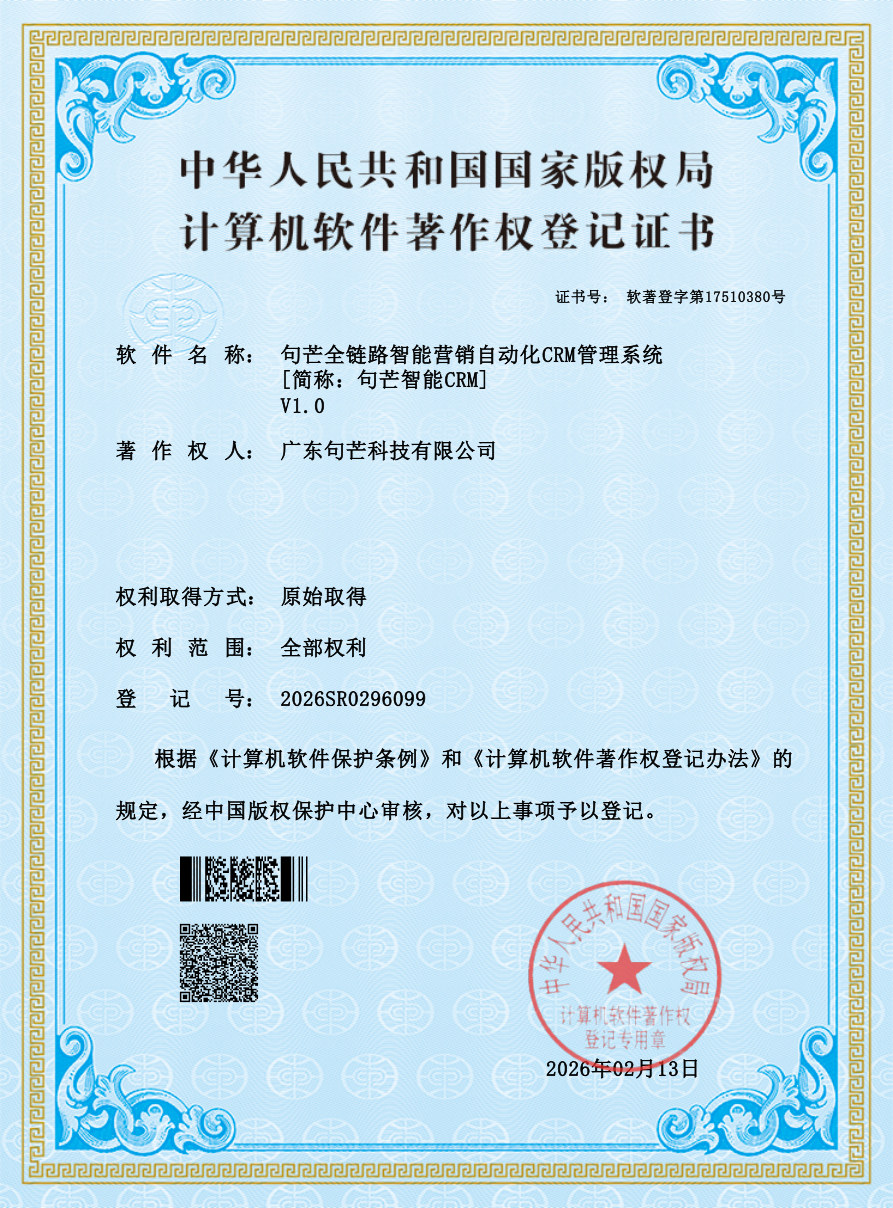
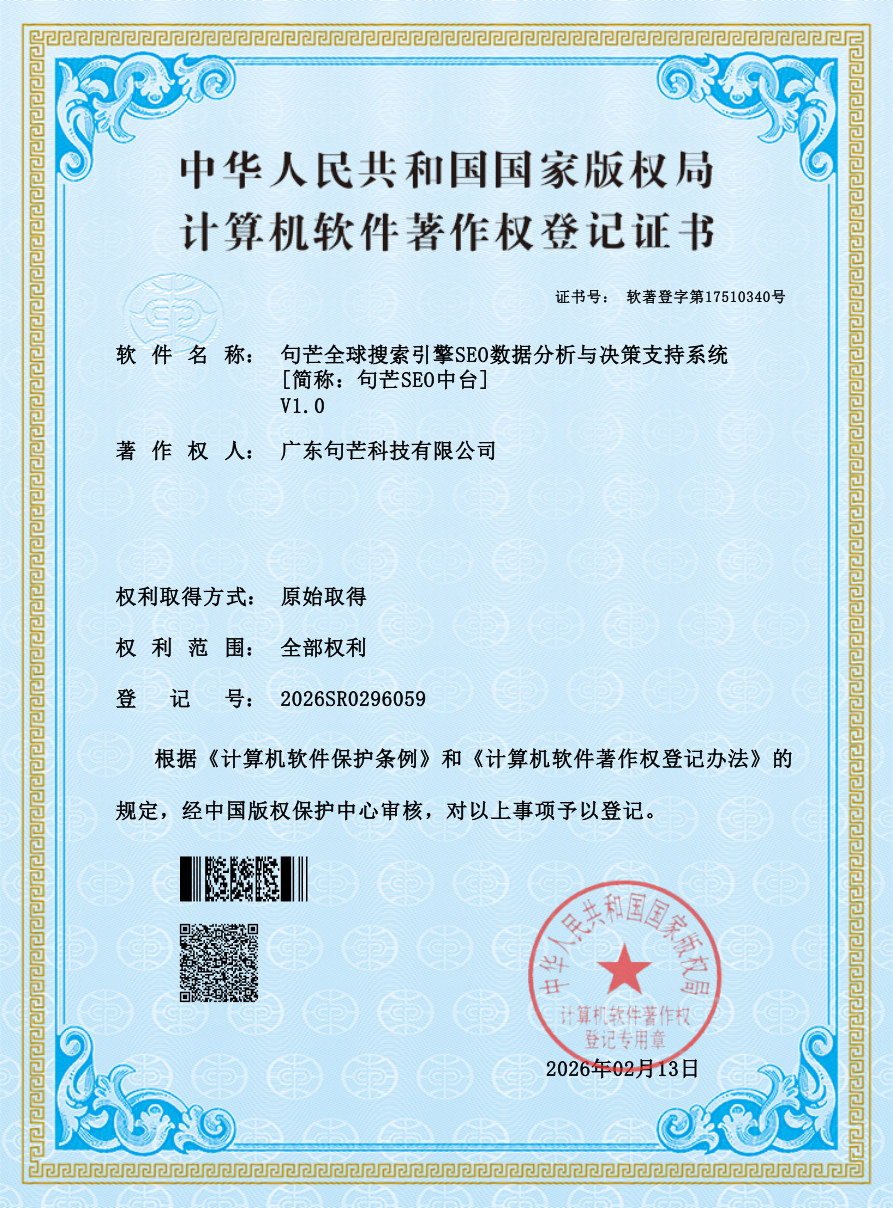
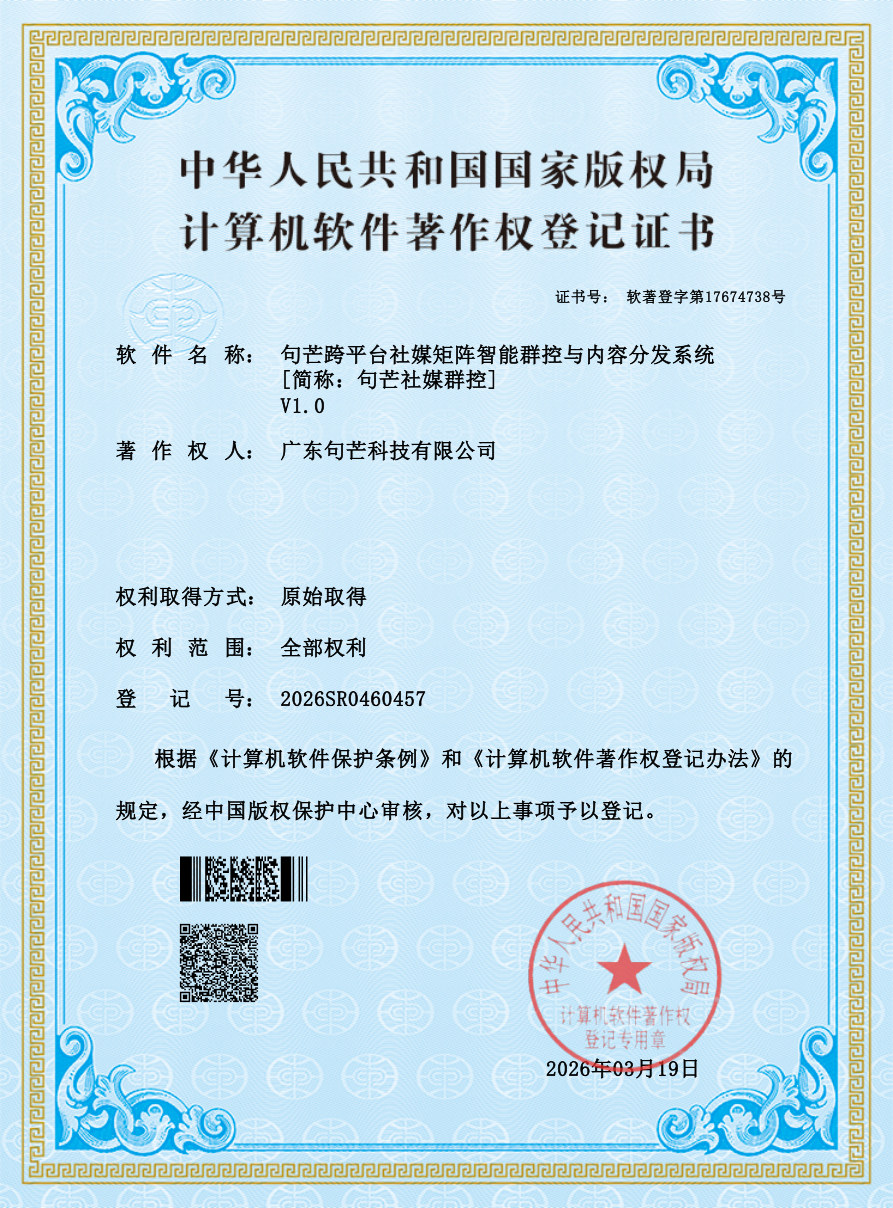
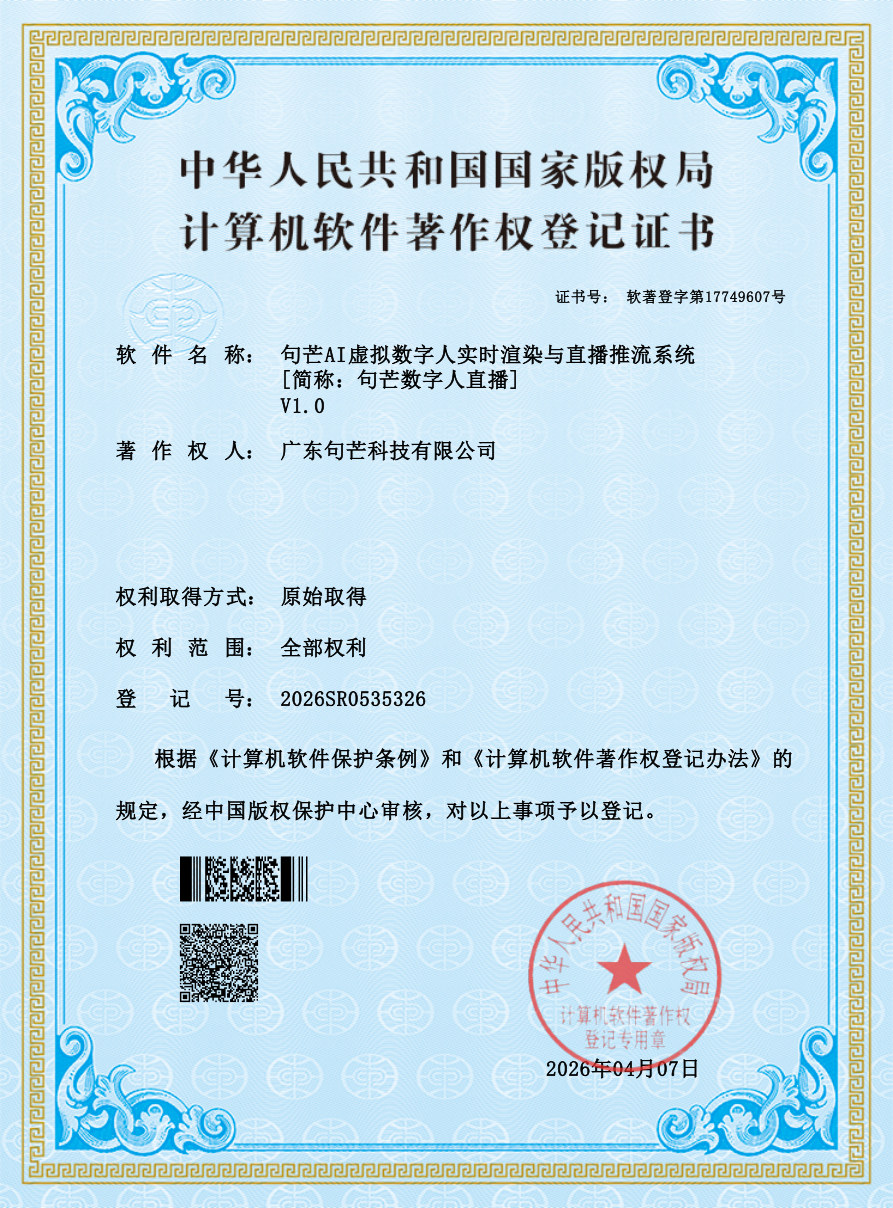
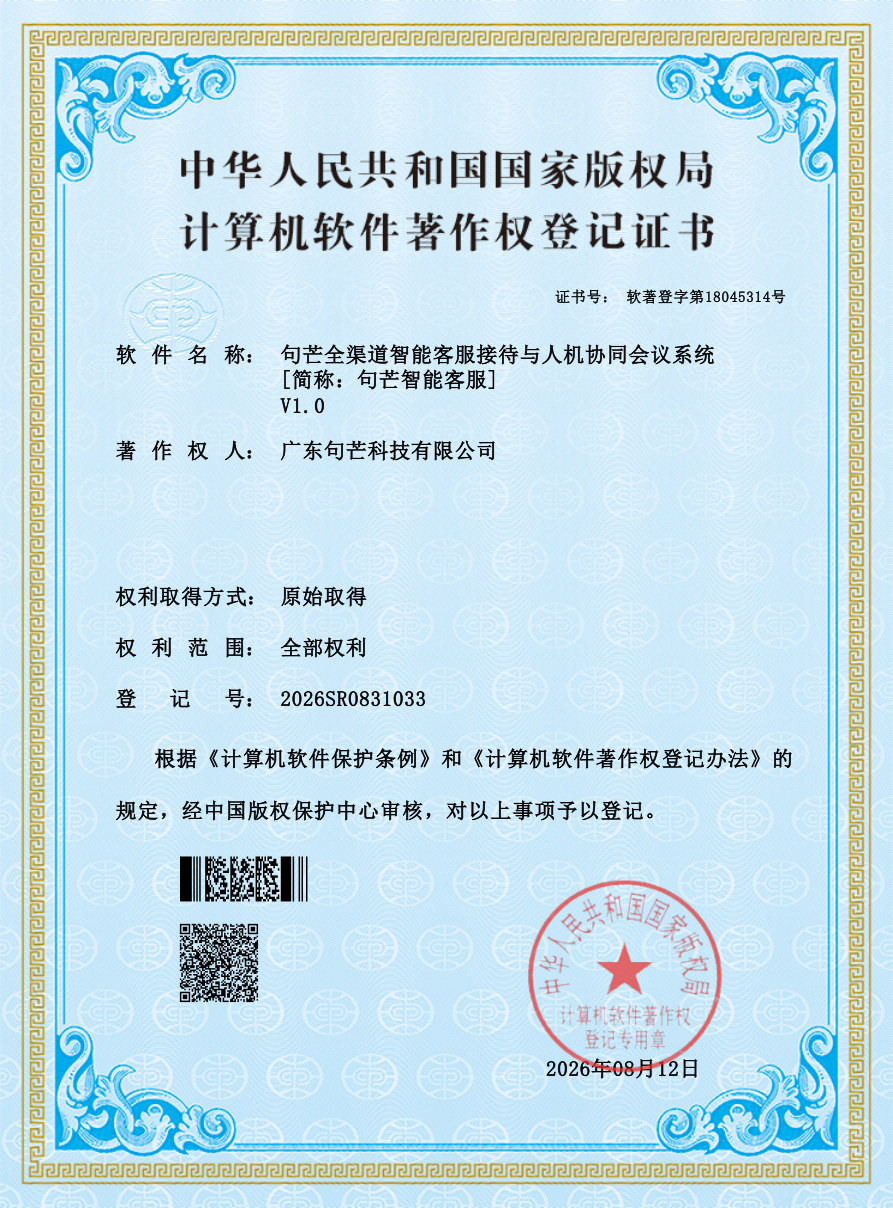
All platform capabilities registered and rights confirmed
Identify breakpoints in lead, SQL, opportunity, and sales handoff, or leaks in product feed, landing pages, checkout, and repurchase. Then set priority markets and next-phase sequencing. Suitable for both B2B and DTC.